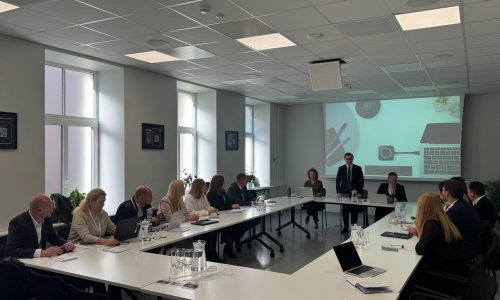
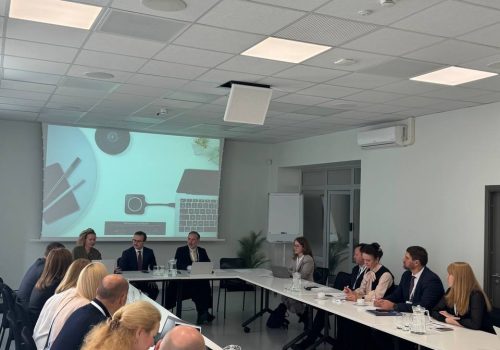
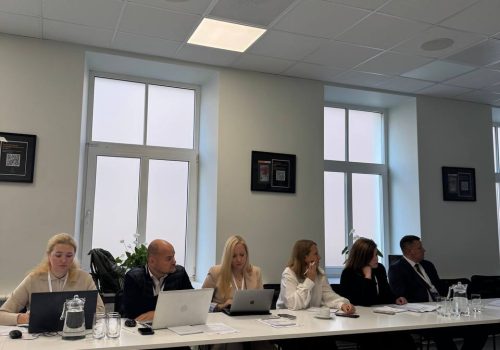
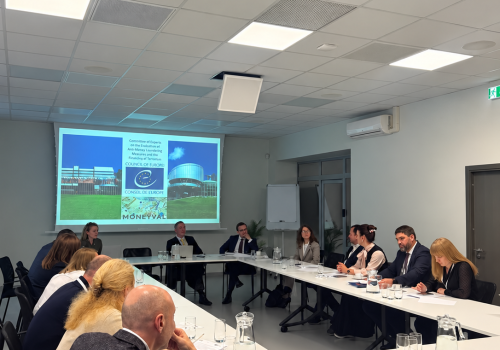
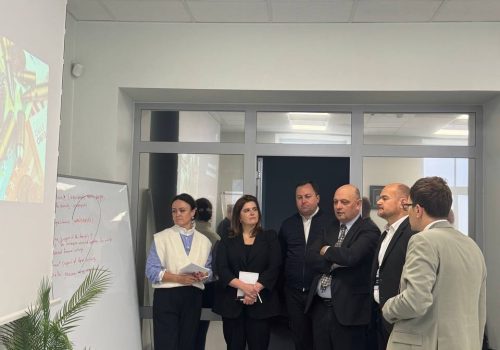
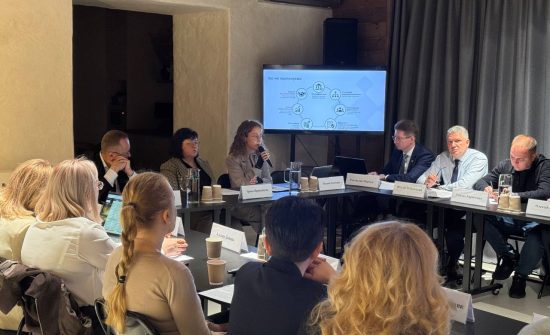
The visit brought together representatives of Ukrainian public authorities and the private sector, Latvian officials, international experts and representatives of the MONEYVAL Secretariat to exchange practical experience and strengthen Ukraine’s preparations for its next mutual evaluation.
The programme explored Latvia’s experience of undergoing the first MONEYVAL mutual evaluation under the new FATF methodology, with particular attention to demonstrating the effectiveness of national anti-money laundering and counter-terrorist financing measures. Discussions covered institutional coordination, the collection of evidence and statistics, and Immediate Outcomes 10 and 11, focusing on terrorist financing, targeted financial sanctions and proliferation financing.
Key lessons for Ukraine:
Preparation must begin well before the evaluation. Although the date of Ukraine’s next MONEYVAL assessment has not yet been confirmed, the evaluation will consider progress made since the previous assessment in 2017. Latvia’s experience demonstrated the importance of starting early, identifying gaps and systematically documenting results rather than waiting for the formal evaluation process to begin.
Effectiveness matters more than formal compliance alone. Adopting legislation and establishing procedures are important, but countries must also demonstrate how these measures work in practice. This requires reliable statistics, documented cases and clear evidence of how financial intelligence, investigations and sanctions contribute to tangible outcomes.
Strong institutional coordination is essential. Latvia’s preparations relied on a dedicated national task force, clearly assigned responsibilities and a central coordination mechanism. For Ukraine, establishing effective cooperation between public authorities, regulators, law enforcement agencies and the private sector will be critical to ensuring a consistent and coordinated approach.
Terrorist and proliferation financing require practical, risk-based responses. Discussions highlighted the importance of timely implementation of targeted financial sanctions, identifying emerging risks and strengthening cooperation between financial institutions and public authorities. Latvia’s experience also demonstrated the value of examining risks beyond the financial sector, including trade flows, supply chains and sanctions evasion.
Testing readiness can help identify weaknesses early. Practical exercises and simulated evaluations can reveal gaps in institutional procedures, information sharing and the ability to demonstrate results. An external mock evaluation was discussed as a potential tool for Ukraine to assess its preparedness before the formal MONEYVAL process.
The central takeaway is clear: preparing for MONEYVAL is not simply about passing an international assessment. It is an opportunity for Ukraine to build a more effective and resilient financial integrity system, strengthen cooperation between institutions and advance reforms aligned with European standards.
The experience shared in Riga provides practical guidance for the next stages of Ukraine’s preparations, particularly in strengthening coordination, building a reliable evidence base and translating international standards into measurable results.
CFI extends its sincere appreciation to FIU Latvia for hosting the visit, CFS at RUSI and the MONEYVAL Secretariat for their expert contributions and facilitation, and all participants for their valuable insights and constructive exchange.
Stay tuned for the conference report from this visit!