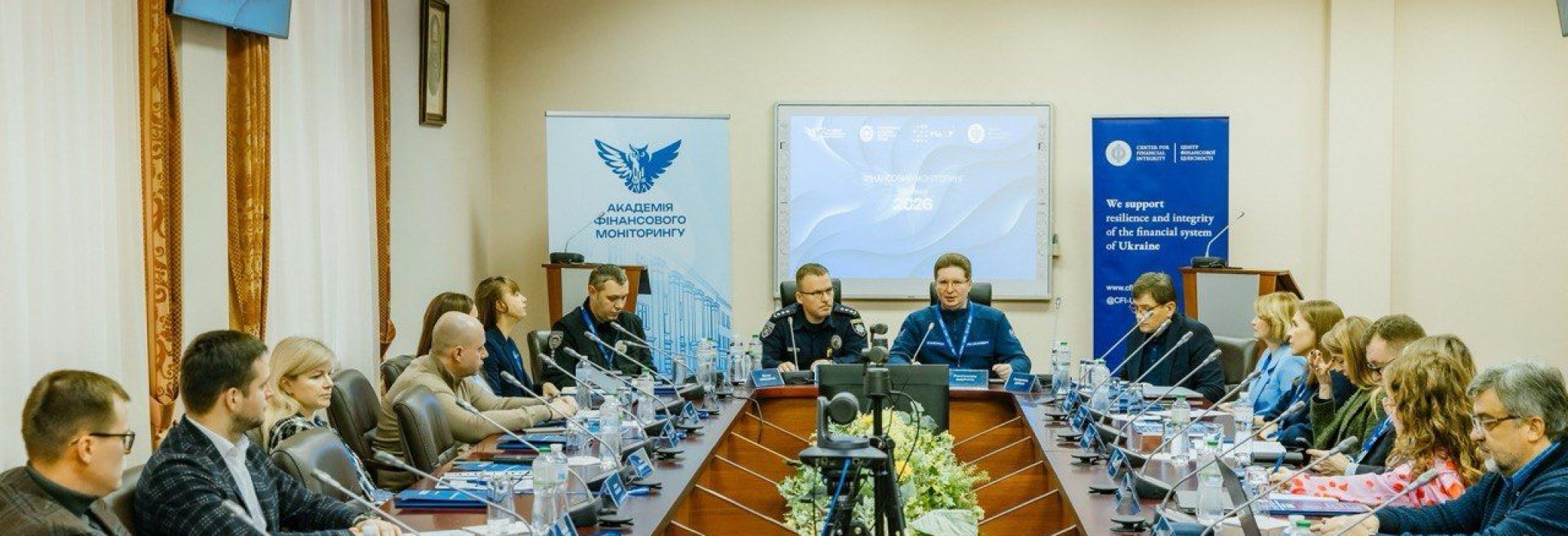
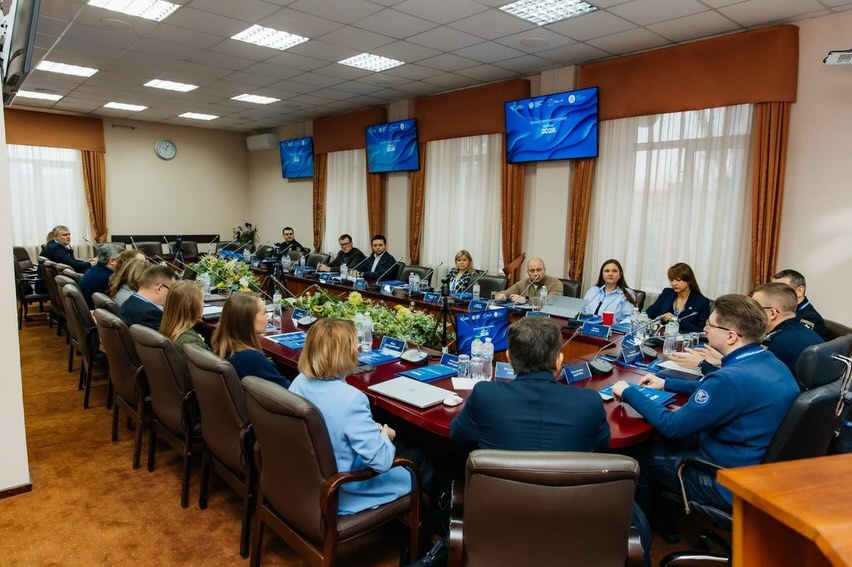
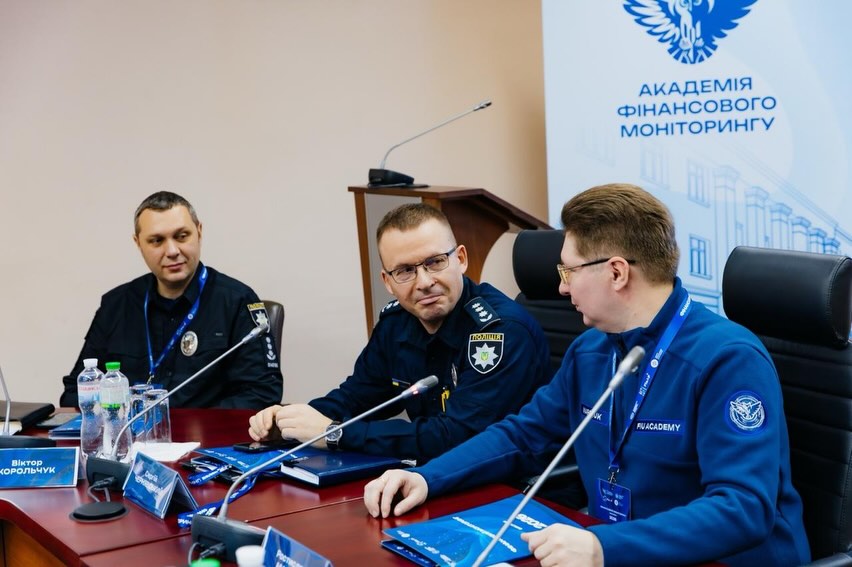
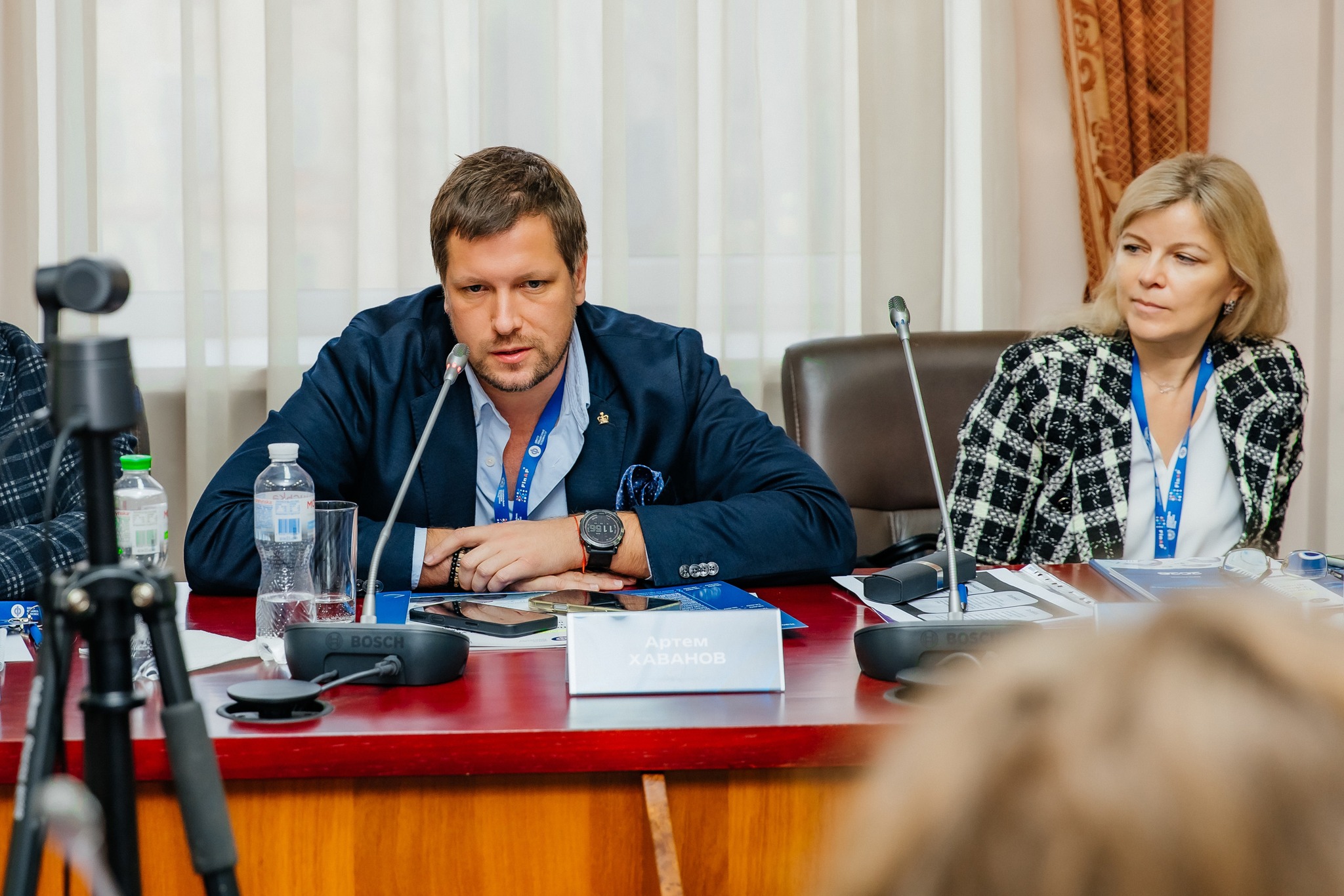
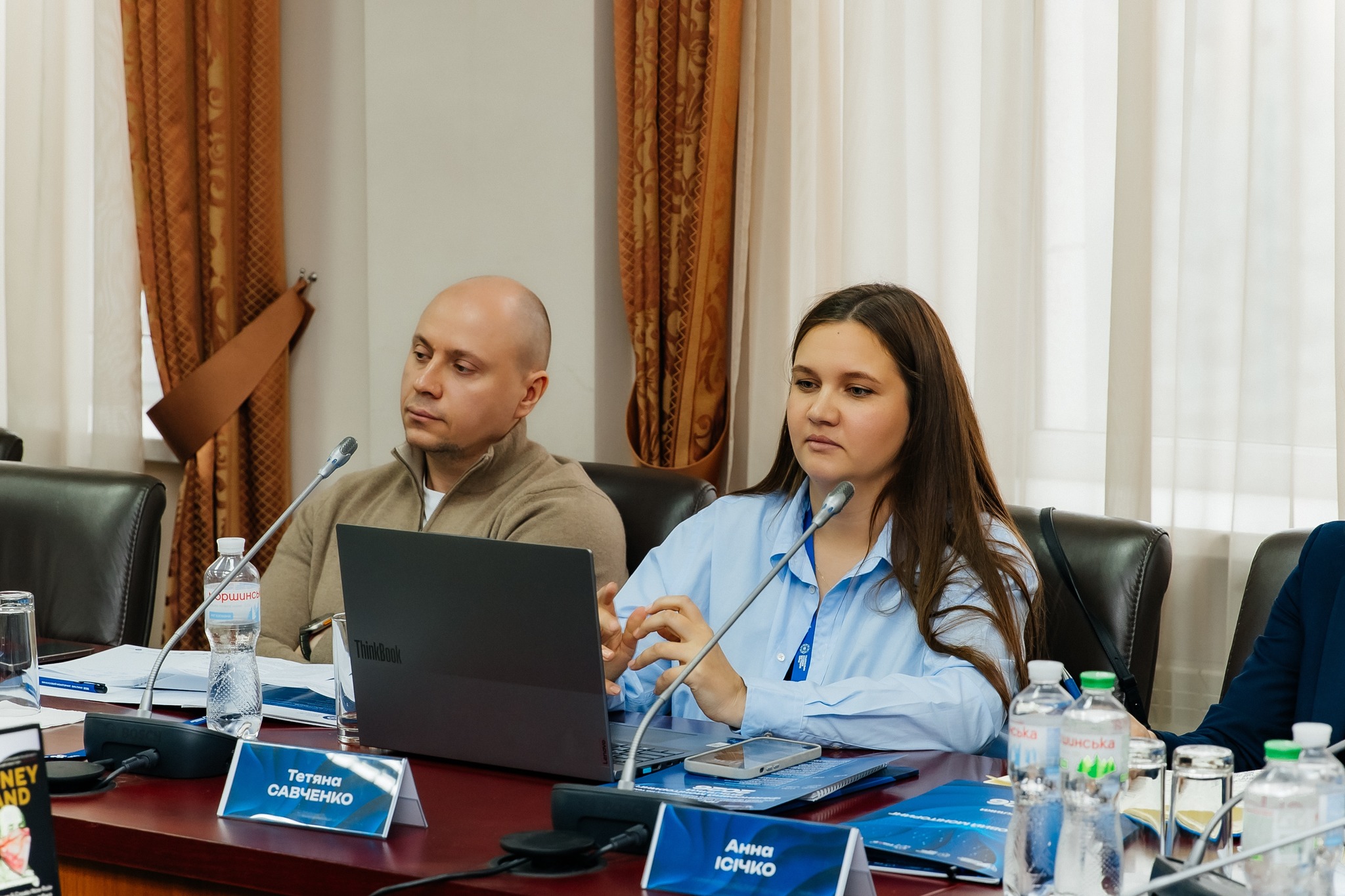
On 28 November, the conference brought together experts and representatives from the government, academia, and business to discuss key aspects of financial monitoring in Ukraine.
On the Day of the Financial Monitoring System Worker, the Center for Financial Integrity joined forces with the Academy of Financial Monitoring, the National Academy of Internal Affairs, and the FinAP Group to hold a joint discussion on the current state of Ukraine’s financial monitoring system, its key achievements and challenges, and the priorities for development in the coming year.
The event programme covered three main thematic areas, reflecting different aspects of the development of financial monitoring in Ukraine:
1. Strategic Vectors for AML/CFT Development
Participants discussed government policy in the field of financial monitoring, the role of regulators, banks, notaries, and civil society in ensuring transparency and security of financial flows. Particular attention was given to aligning national policies with international standards and defining the system’s development priorities for the coming years.
2. Business and Financial Monitoring
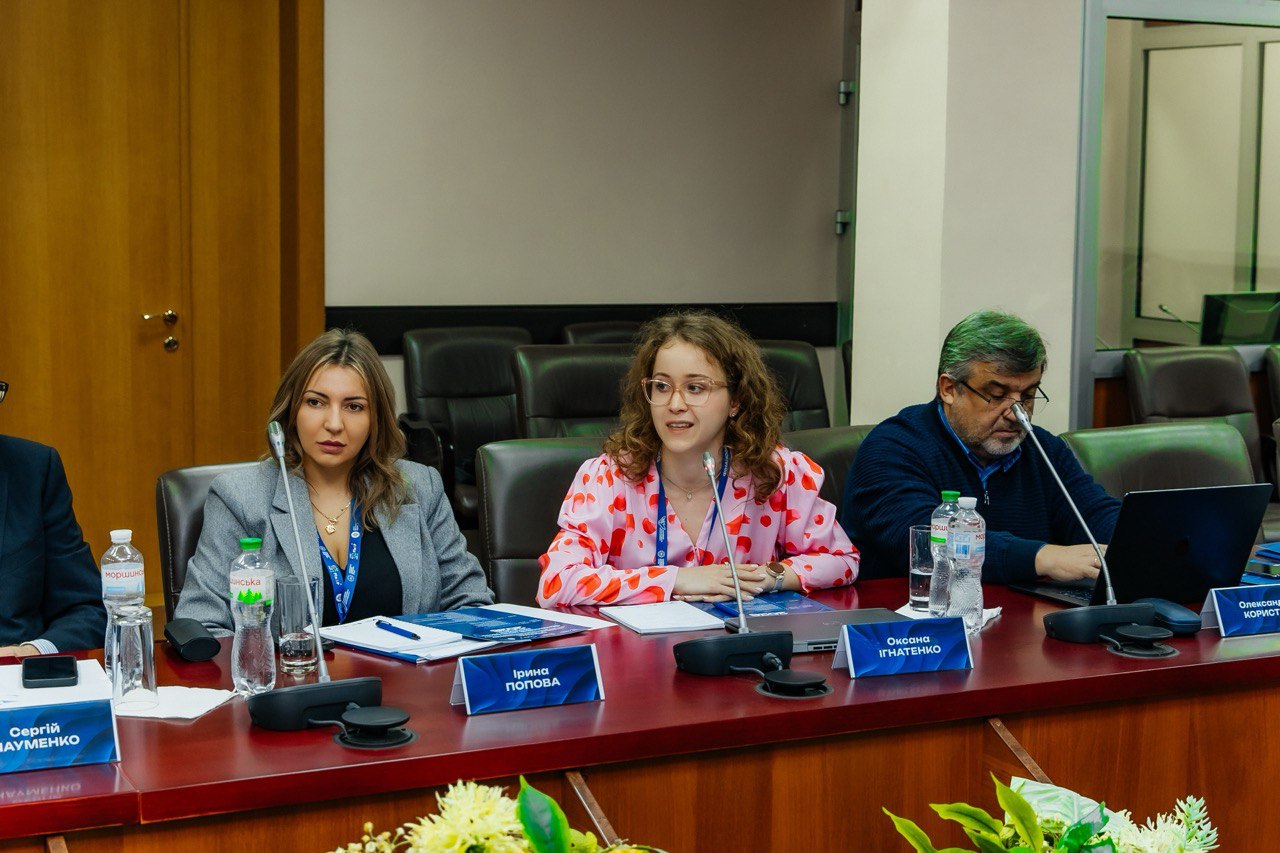
The second panel, moderated by CFI Managing Director Oksana Ihnatenko, focused on compliance, the implementation of a risk-based approach, and the main challenges for the private sector.
During this session, businesses outlined key issues in the implementation and development of financial monitoring, including high fines, the absence of a unified IT system for non-banking institutions, casino de-risking, and counterparty reliability.
Participants also identified key steps to strengthen anti-money laundering efforts in 2026: – Greater automation with the ability to dynamically adjust rules; – Systematic implementation of artificial intelligence; – Development of effective scoring models; – Creation of a high-quality knowledge base for non-financial institutions.
Special attention was given to the technological development of casinos and to improving the expertise of professionals working with data, enabling more effective risk management and enhancing the transparency of financial operations.
3. Current Challenges in Financial Investigations
The third part of the discussions focused on digital investigations, combating cybercrime, financial flow analytics, and inter-agency cooperation. Participants reviewed modern analytical tools, methodologies for detecting suspicious transactions, and mechanisms for coordination between state authorities and the private sector.
The conference concluded with the identification of key directions for the further development of the financial monitoring system, aimed at strengthening the resilience and effectiveness of Ukraine’s national system for countering illicit financial flows.