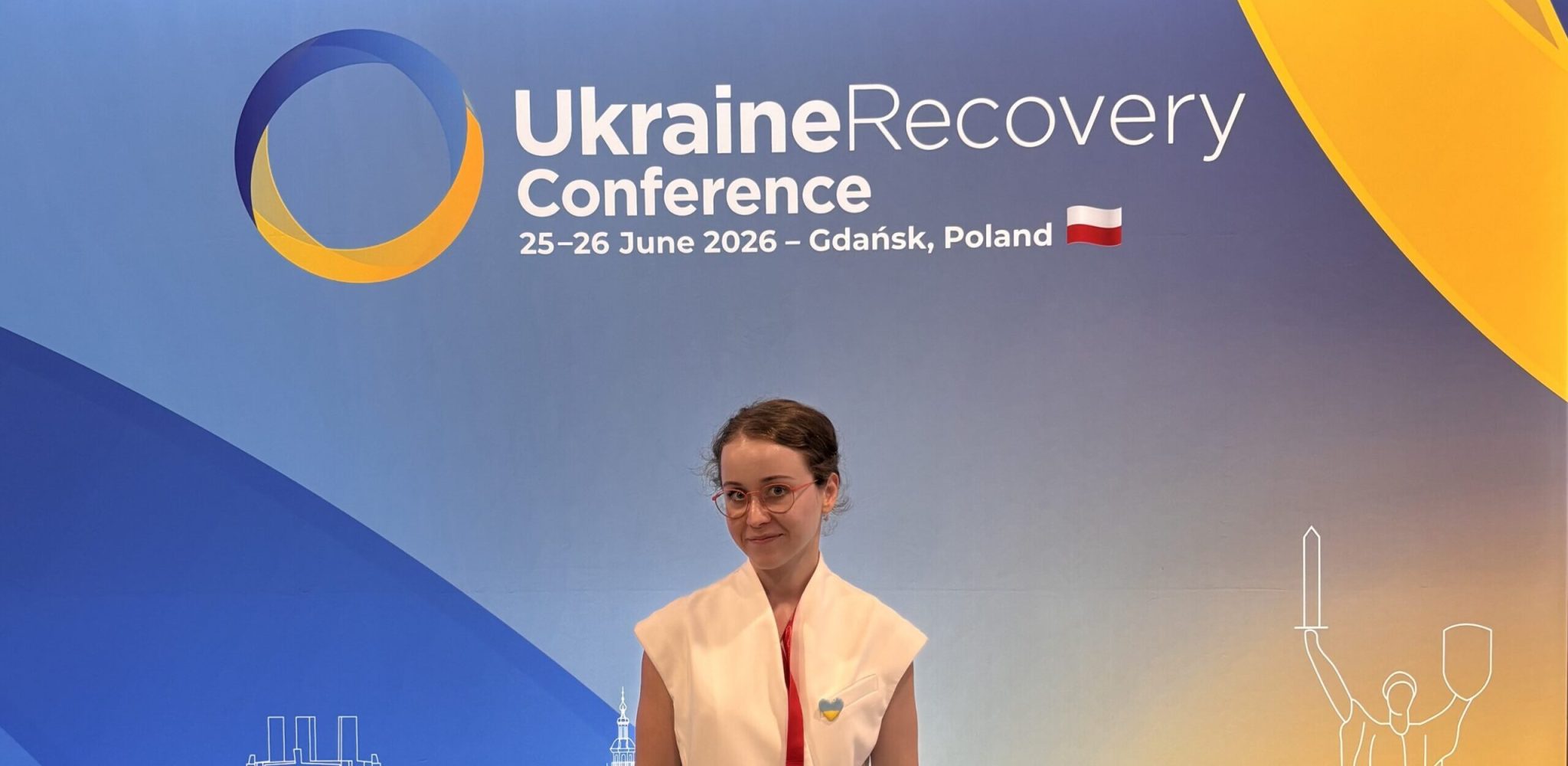
On 25–26 June 2026, the Ukraine Recovery Conference 2026 (URC 2026) took place in Gdańsk, Poland. The event reflected a notable shift in the approach to reconstruction: this year, discussions increasingly focused on security, competitiveness, reforms, and the role of the private sector.
Defence Industry and Security as Key Elements of Recovery
One of the most notable features of the conference was the significantly stronger presence of the business sector, particularly companies working in defence technologies, drone production, and innovative solutions. Representatives of both the public and private sectors repeatedly emphasised that Ukrainian defence technologies are not only a crucial element of national security, but also a potential contribution to strengthening security across Europe and a way of expressing gratitude to partners for their continued support.
European Integration as the Foundation for Recovery and Reform
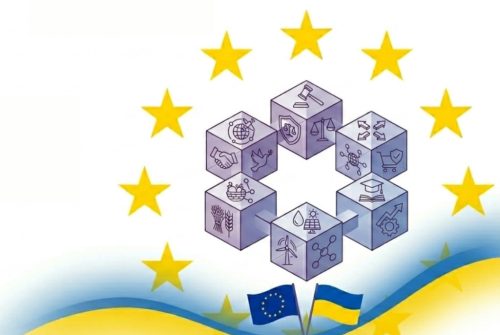
At the same time, Ukraine’s European integration remained a central theme of the conference. Almost all discussions highlighted that Ukraine’s reconstruction and its accession to the European Union are no longer viewed as separate processes. Instead, they are interconnected elements of a broader transformation, the success of which depends on advancing reforms alongside attracting investment.
Particular attention was given to the reforms required for European integration. Judicial reform was identified among the key priorities.
The conference also addressed updates to the Ukraine Facility Plan. The programme’s targets and implementation milestones are expected to be revised to better reflect current challenges and the evolving needs of Ukraine’s recovery.
One of the key economic messages was that, if reforms are successfully implemented, Ukraine has the potential to become a new driver of economic development in Europe. At the same time, participants stressed that reforms must remain an unconditional priority, as they provide the foundation for sustainable economic growth and the effective use of international support.
Civil Society in the Recovery Process
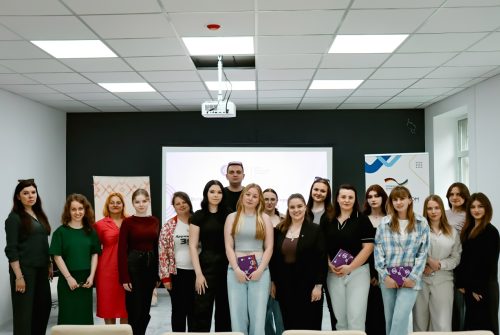
Civil society was traditionally represented through the dedicated Civil Society Forum. One of the key messages emerging from civil society discussions was the need for a more comprehensive approach to assessing decision-making processes in Ukraine. Participants noted that public debate often focuses on assigning responsibility solely at the level of political leadership, while many challenges are also linked to systemic and bureaucratic processes within public administration.
Another notable feature of URC 2026 was the significantly increased attention given to veterans. For the first time, they participated as a separate delegation, highlighting the growing recognition of their role in Ukraine’s recovery processes and in shaping future public policy.
Ukraine’s recovery is now increasingly viewed not only as a response to the consequences of war, but also as an opportunity for the country’s deep modernisation. This comprehensive process brings together security, economic development, institutional reforms, European integration, and partnership with the private sector.