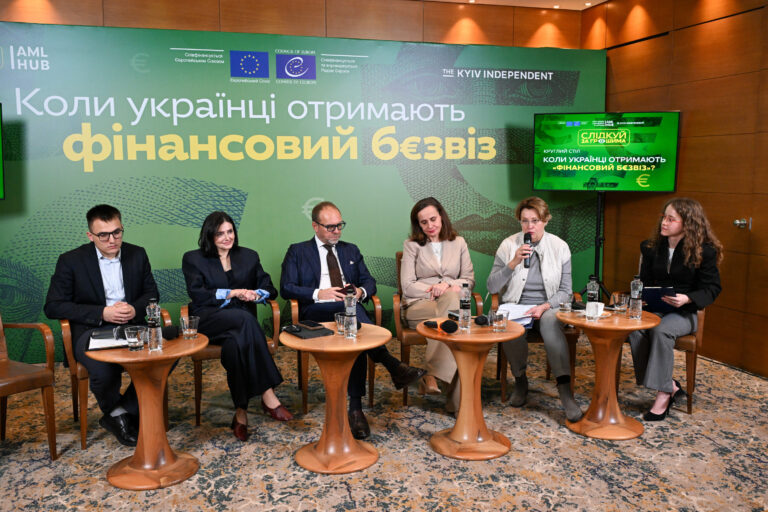
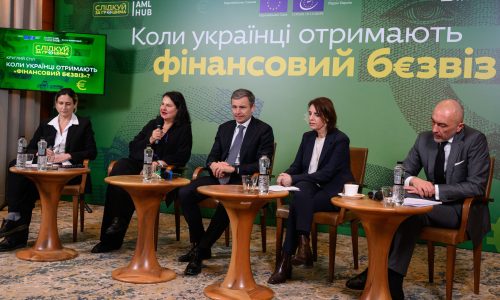
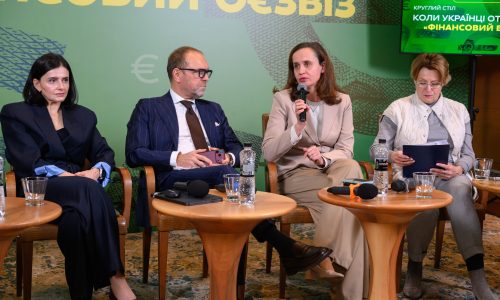
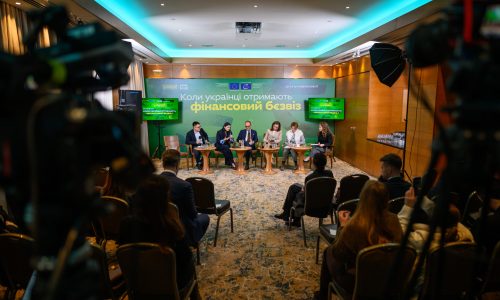
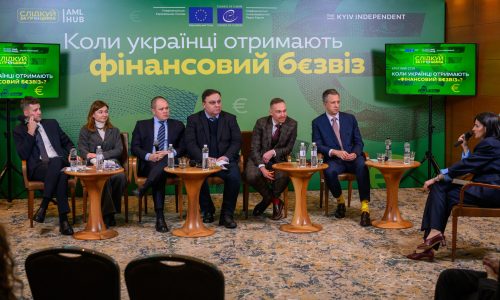
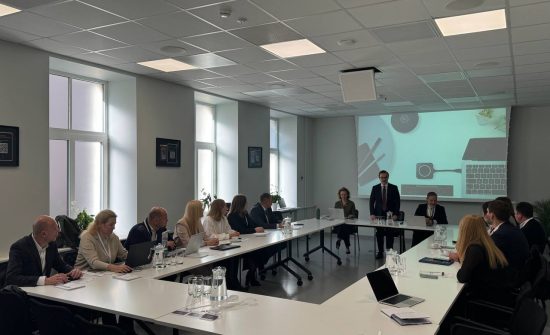
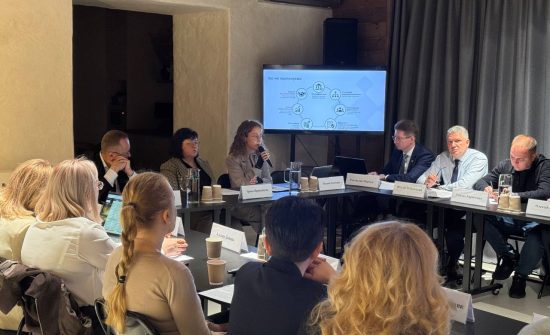
According to NBU Governor Andriy Pyshnyy, joining SEPA would help reduce the cost of international transfers. He also highlighted the readiness of Ukraine’s payment infrastructure and the increase in the alignment of Ukrainian banking regulations with EU standards from 50% to 82%.
Key issues discussed:
Payment infrastructure readiness: The alignment of Ukrainian banking regulations with EU standards has increased from 50% to 82%. The NBU’s Electronic Payment System operates around the clock and supports instant payments.
Legislative requirements: Participants discussed Draft Law No. 14327-d, which passed its first reading on 10 November 2026. Government and EU representatives emphasised the importance of ensuring its compliance with European requirements. Following approval of Ukraine’s application, a six-month period is envisaged for technical and operational implementation.
Access to banking information: The discussion addressed the proposed establishment of a register of bank accounts and safe deposit boxes. Supporters consider it necessary for meeting EU requirements and facilitating criminal investigations, while critics have raised concerns about potential breaches of banking secrecy, data leaks and misuse of information.
Safeguards and oversight: Proposed safeguards included restricting the number of authorities authorised to access the register, auditing access requests, judicial oversight and establishing liability for the unlawful use of information.
Next steps: Participants considered the possibility of addressing SEPA accession, reform of the State Financial Monitoring Service of Ukraine and the establishment of the bank account register through separate legislative provisions. Some members of parliament supported dividing the draft law into three parts, but no consensus was reached.
The discussion demonstrated support for Ukraine’s European integration while highlighting the need to ensure that legislative reforms are accompanied by adequate safeguards for banking information and personal data.