

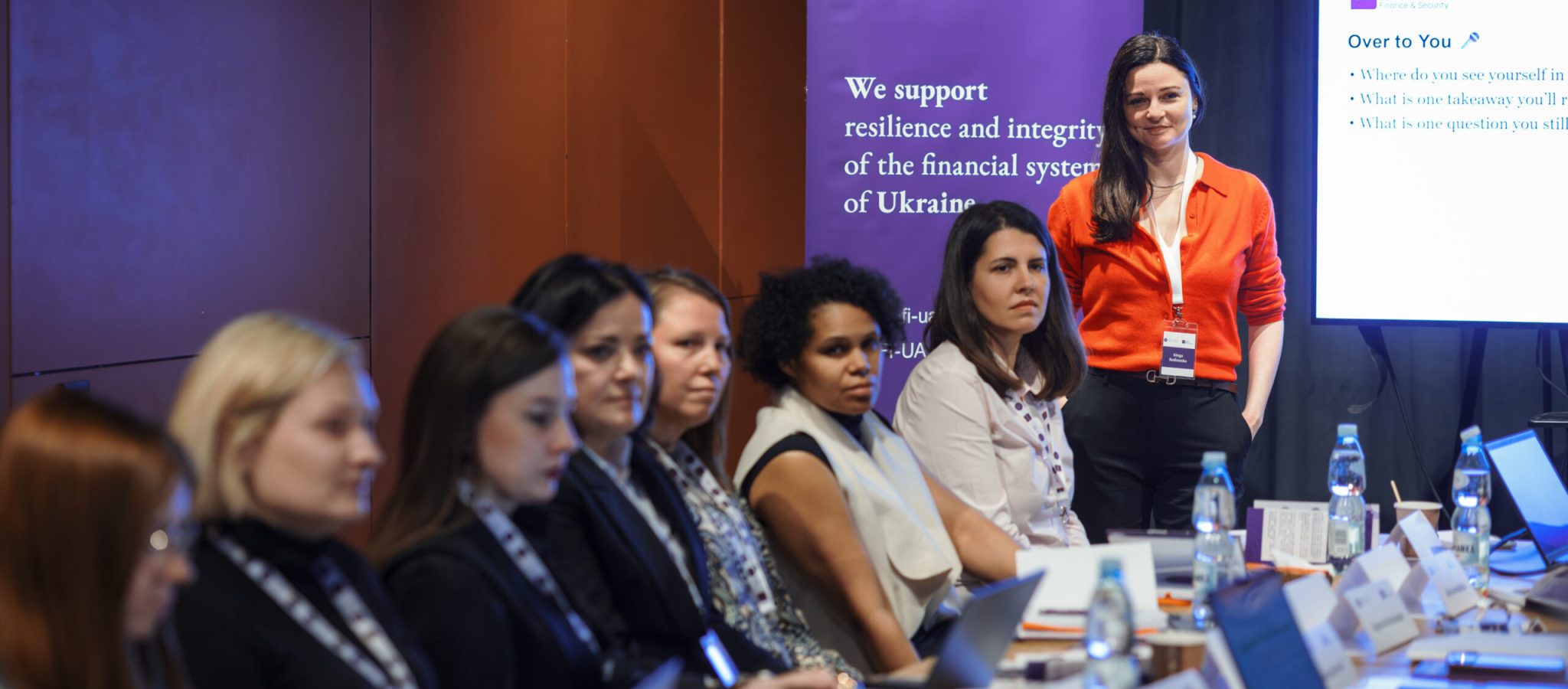
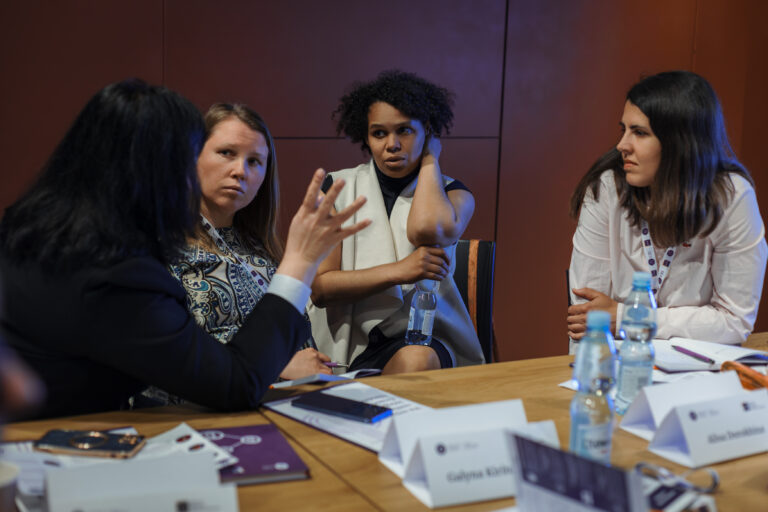
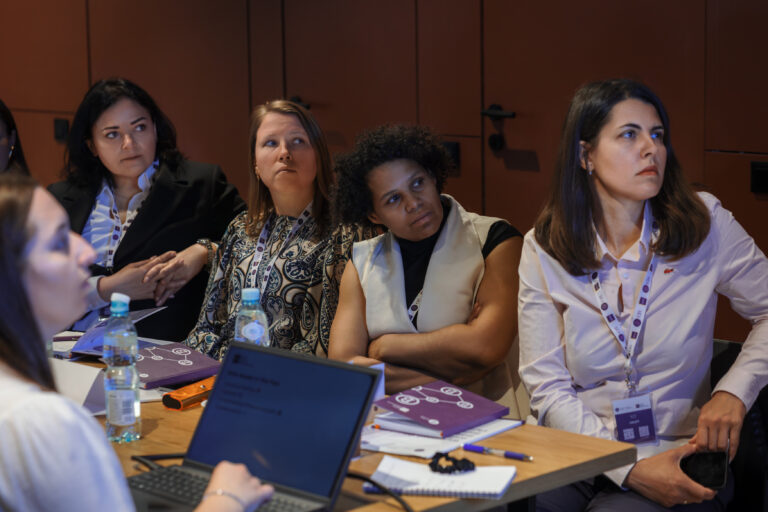
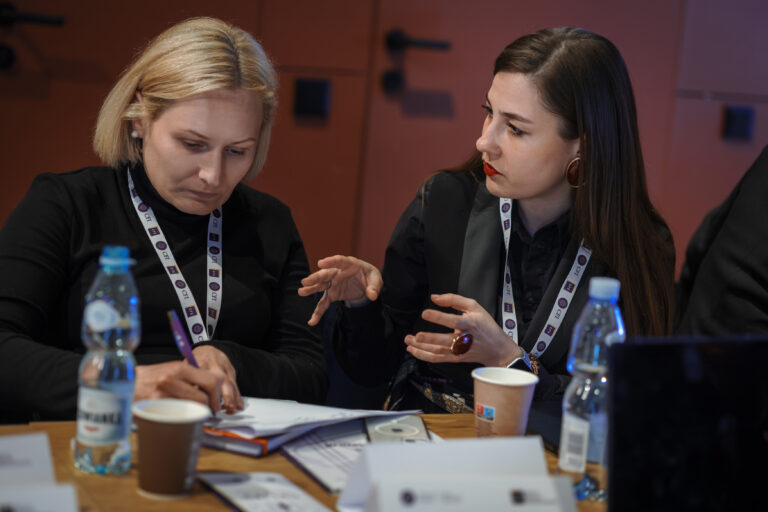
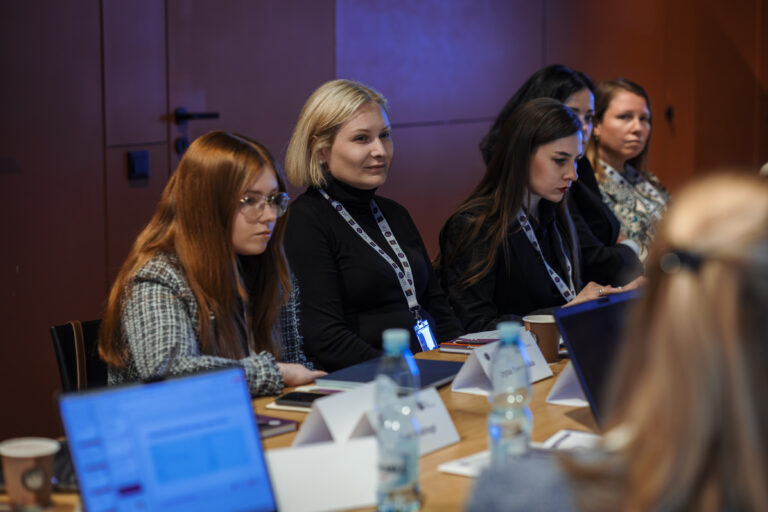
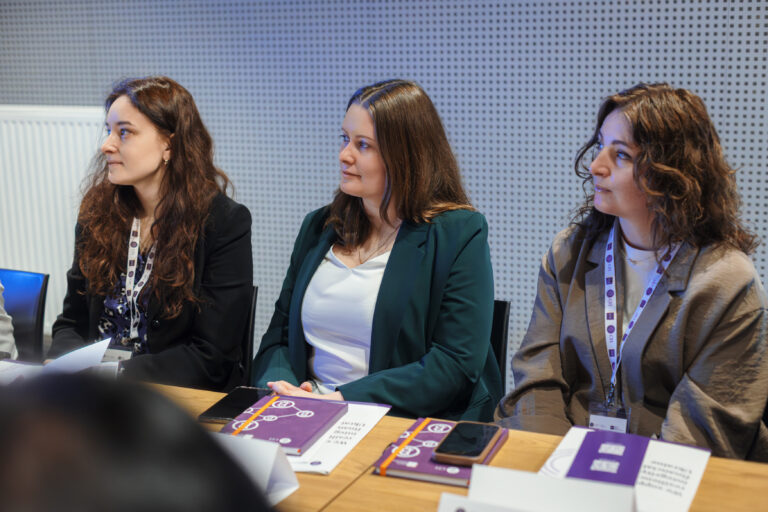
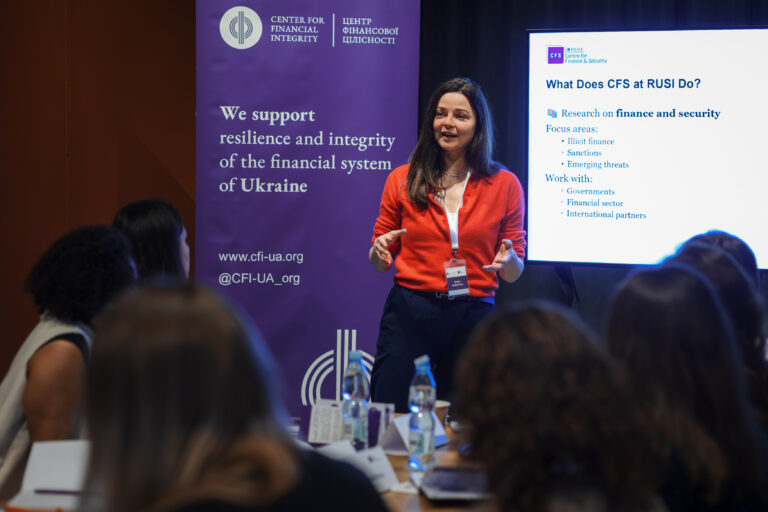

10 of the most motivated UPLIFT participants took part in a three-day study visit to Warsaw, held on 16–18 April
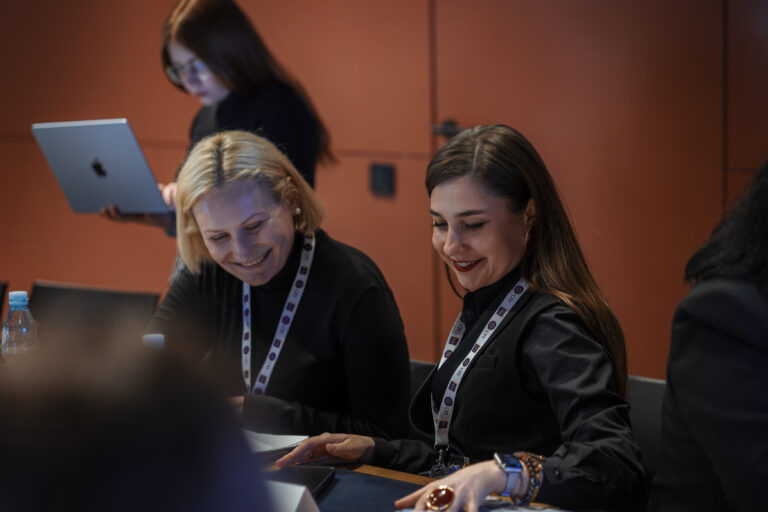
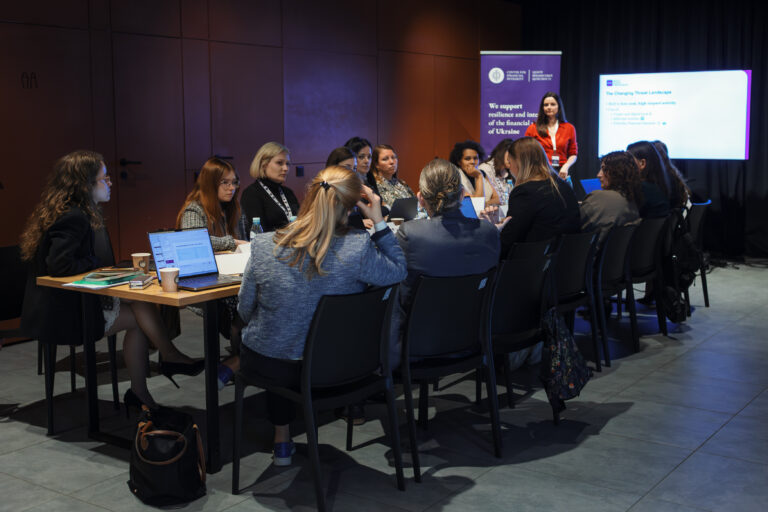
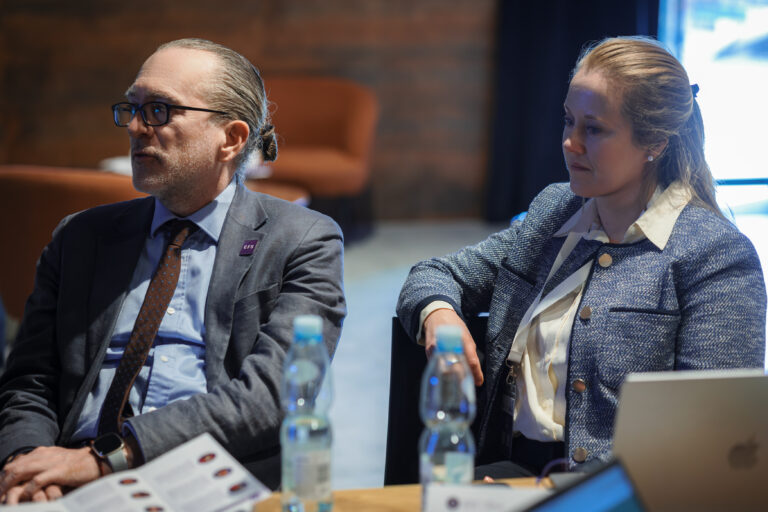
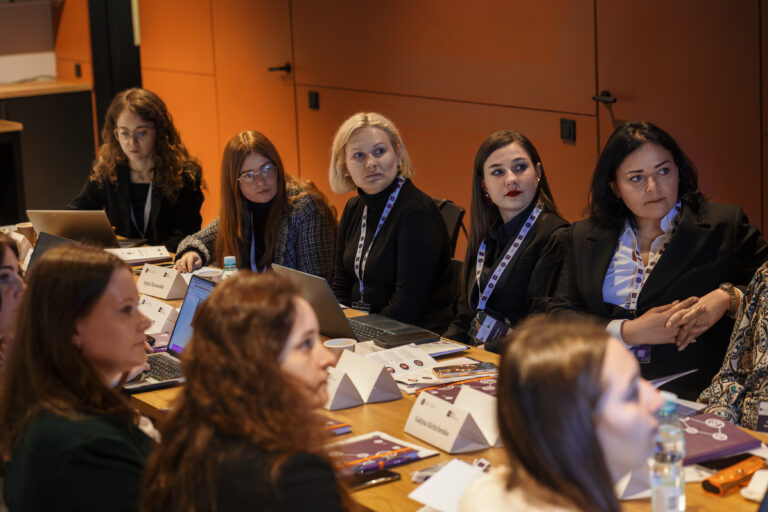
The study visit organised within the UPLIFT programme was designed to create a space where participants could gain theoretical knowledge and develop practical skills in addressing various forms of financial crime. In addition, the event facilitated the establishment of valuable professional connections — both with speakers and among participants representing different sectors.
Following the first stage of the UPLIFT programme, ten of the most committed participants were selected based on their strong performance across six online financial security sessions. They represented diverse professional backgrounds and sectors, which contributed to a more nuanced and multidimensional exchange of ideas. This cross-sectoral approach enhanced analytical depth, broadened thematic understanding, and fostered a collaborative learning environment.
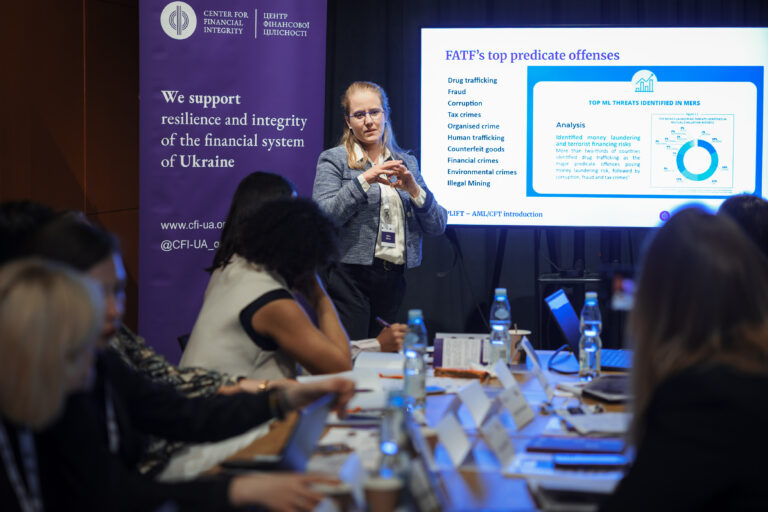
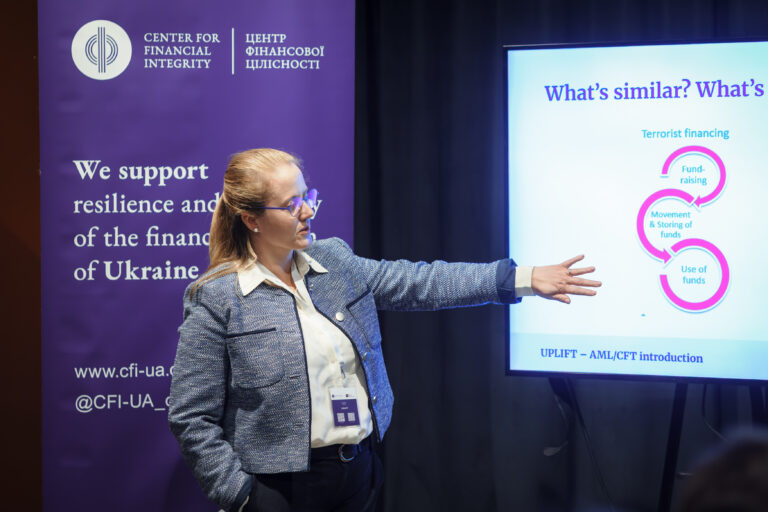
The first day focused on building a comprehensive understanding of anti-money laundering and counter-terrorist financing (AML/CFT) systems and their role in safeguarding financial security. Participants explored key risks, international approaches, and practical tools for detecting financial crime.
The session featured leading experts. Kinga Redlowska, Head of CFS Europe, outlined the strategic importance of AML in ensuring security, while Olivia Allison, Associate Fellow at RUSI, introduced core concepts of money laundering and terrorist financing, their stages, and common red flags. She also explained key obligations of both financial and non-financial institutions, including customer due diligence, politically exposed persons (PEPs), and suspicious transaction reporting.
The practical dimension was covered by Robert Socha, a lawyer, journalist, and consultant, who focused on information gathering, investigative methodologies, and preventive measures.
The second day addressed contemporary challenges in financial crime, including foreign interference, hybrid threats, sanctions evasion, and the misuse of virtual assets. A key focus was placed on cooperation between the public and private sectors in mitigating these risks.
The importance of public–private partnerships was highlighted by Eglė Lukošienė, Director of the Center of Excellence in Anti-Money Laundering, who emphasised information sharing, trust, and existing cooperation barriers. Case-based group work enabled participants to better understand practical applications of these mechanisms.
Eliza Lockhart, Senior Research Fellow at RUSI, examined the financial dimensions of foreign interference and hybrid threats, particularly their impact on democratic processes. Tom Keatinge, Director of the CFS at RUSI, discussed international sanctions and common evasion schemes, with a particular focus on maritime networks and the shadow fleet.
Neil Barnett, Associate Fellow at RUSI, presented practical approaches to the use of intelligence and investigative tools, as well as risks associated with virtual assets. The day concluded with an online session by Justine Walker on career opportunities in AML/CFT.
The third day focused on financial crime risks relevant to Ukraine and on identifying solutions to strengthen national resilience. Key topics included emerging threats, illicit financial practices, and the effectiveness of supervisory frameworks.
An overall overview was presented by Oksana Ihnatenko, Managing Director of the Center for Financial Integrity, who outlined key challenges, including money mule activity, supervision of designated non-financial businesses and professions (DNFBPs), and risks linked to Russia’s sabotage activities. A separate block addressed the international AML/CFT framework, including the role of key organisations and global standards shaping the fight against financial crime.
Investigative journalism was covered by Alisa Yurchenko, who focused on exposing offshore structures, identifying beneficial ownership, and the associated risks and challenges.
Virtual assets are becoming increasingly widespread and are often exploited in illicit schemes. Accordingly, the final part of the study visit addressed their legal regulation in Ukraine, typical money laundering cases, and the specifics of related investigations.
Interested in the UPLIFT programme? The first cohort launched in February 2026, bringing together participants from diverse sectors with a shared interest in financial security and combating financial crime. The experience and outcomes of this first wave have laid a strong foundation for further development of the initiative.
A new cohort is planned for next year, bringing together an even larger group of motivated participants and expanding opportunities for learning, knowledge exchange, and professional growth. Stay tuned for updates on the launch of the next UPLIFT cycle.
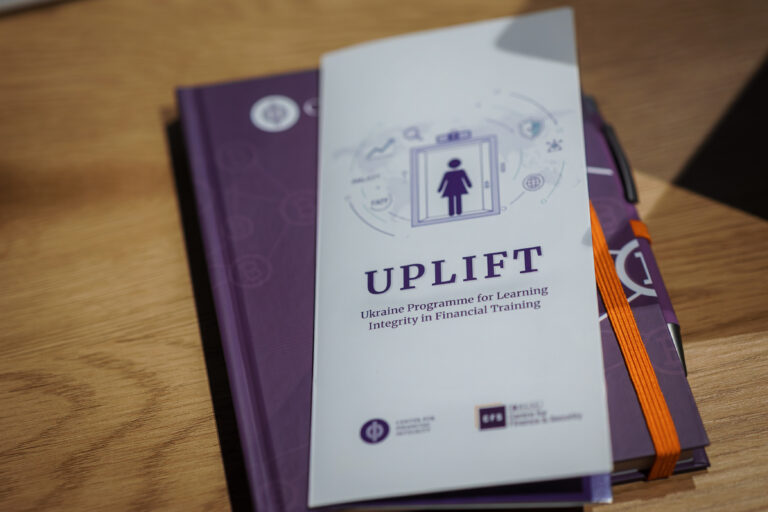
The Center for Financial Integrity has developed UPLIFT, a free educational programme for those who wish to start a career in finance or expand their understanding of financial crime, regardless of previous experience or age. The programme was created in partnership with the UK-based think tank — the Centre for Finance and Security (CFS) at RUSI — providing access to international expertise and professional insights in the field.